Phone scams are very common and can affect anyone.
Scammers are often patient, convincing, and persistent.
They may call many times over weeks or even months until a person starts to trust them.
This guide explains how phone scammers work, warning signs, and simple tips to protect yourself.
What Is a Phone Scam?
A phone scam (also called vishing) is when someone calls pretending to be a trusted organisation, such as:
- A bank
- A mobile phone provider
- HMRC
- The police
- An internet or utility company
Their goal is to steal your money or personal information.
How Phone Scammers Gain Trust
Scammers are skilled at sounding helpful and professional.
They may:
- Call you many times over a long period
- Pretend to transfer you to different departments
- Use different people on the call to sound realistic
- Speak different languages if the person is foreign
- Act friendly, calm, or urgent depending on the situation
- They may use the same hold music as your provider
Over time, this can make the call feel real.
They May Already Know Some Details
Phone scammers may already know some of your information due to a data breach.
They might know:
- Your name
- Your address
- Your bank or mobile provider
- When your phone contract ends
They may use this to offer:
- A discount
- A contract upgrade
- A chance to save money
This does not mean the call is genuine.

Warning Signs of a Phone Scammer
Be very careful if the caller:
- Contacts you out of the blue
- Asks for passwords, PINs, or passcodes
- Pressures you to act quickly
- Asks you to move money to a “safe” account
- Asks for a one-time verification code
- Says there is a problem but won’t let you check independently
🚩 Real organisations will never ask for your full password or one-time codes.
One-Time Passcodes: A Big Red Flag 🚨
If you suddenly receive a one-time passcode by text or email that you did not request:
- Someone may be trying to access your account
- Do not share the code with anyone
- Do not read it out over the phone
If a caller asks for this code, they are almost certainly a scammer.
Caller ID Can Be Fake
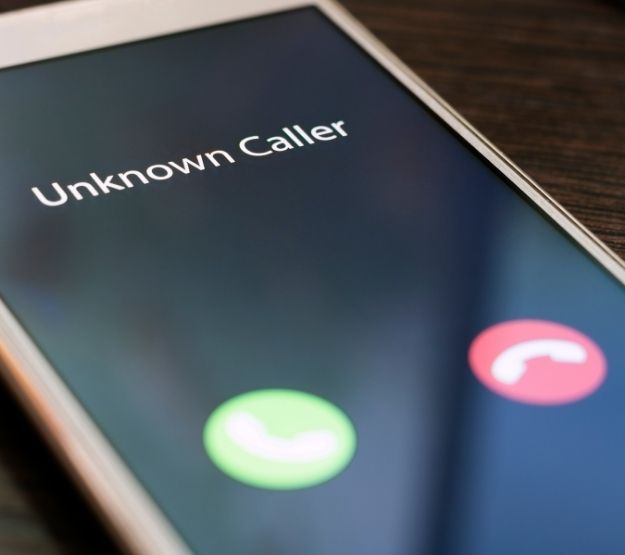
Scammers can fake phone numbers so it looks like they are calling from:
- Your bank
- HMRC
- A trusted company
⚠️ Do not trust the phone number shown on your screen.
What To Do If You Get a Suspicious Call
✔ Stay calm
✔ Do not give any personal information
✔ Hang up if something feels wrong
If you want to check the call:
- End the call
- Wait at least 5 minutes, as scammer can stay on the line
- Call the organisation back using a number from their official website or paperwork
- If possible, use a different phone
Never stay on the line while trying to “check” the call.

Common Phone Scams to Watch Out For
- “Your bank account has suspicious activity”
- “You must pay money immediately”
- “We need to verify your details”
- “Move your money to a safe account”
- “Your contract is ending today”
A real bank or company would never:
- Ask for full passwords
- Ask for one-time passcodes
- Ask you to transfer money to another account
Simple Tips to Stay Safe From Phone Scammers
- Don’t answer calls you don’t recognise
- Never share passwords or codes
- Take your time – scammers rely on panic
- Talk to a trusted friend or family member
- Trust your instincts – if it feels wrong, it probably is
- End the call and wait a few minutes, as scammers can stay on the line.
Remember
Scammers rely on trust, pressure, and confusion.
You are never being rude by ending a call.
Staying cautious can protect your money and your identity.
If in doubt – hang up and check.